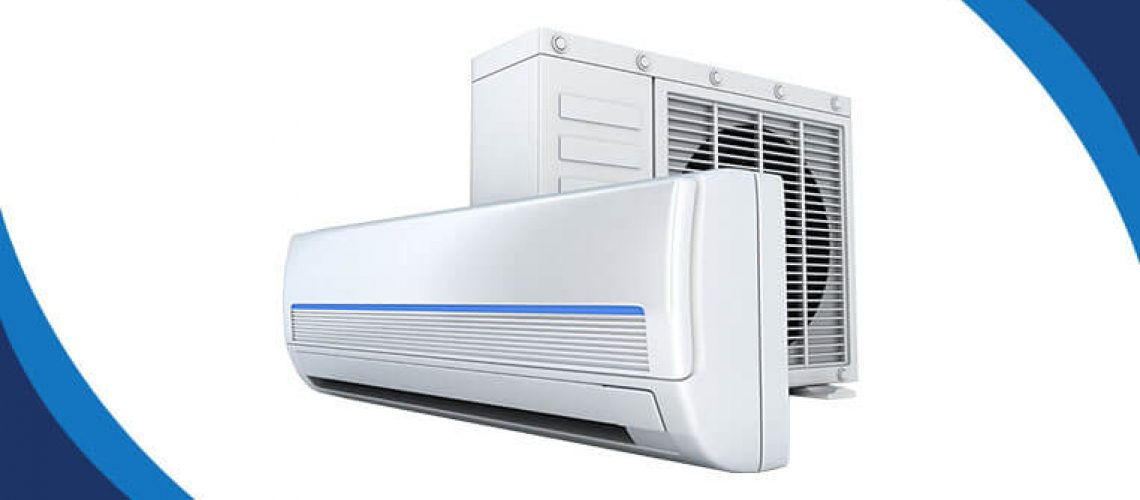
1) How to calculate AC capacity (ton/BTU/kW)
Key units
-
1 ton of cooling = 12,000 BTU/h = 3.517 kW (cooling capacity, not electricity use).
-
Capacity labels on ACs are usually in tons (e.g., 1.5-ton) or BTU/h (e.g., 18,000 BTU/h).
Fast rule-of-thumb (quick pick)
-
Temperate climate, average insulation: ~20–25 BTU/h per ft² (≈ 65–85 W/m²).
-
Hot/sunny climate or west-facing glass: ~30–40 BTU/h per ft² (≈ 100–130 W/m²).
Refinements (add/subtract)
-
Ceiling height: rules assume ~8 ft (2.4 m). If higher, multiply by (actual height / 8 ft).
-
People: base sizing assumes 2 people. Add ~600 BTU/h (≈175 W) for each extra person regularly in the room.
-
Windows & sun: add ~1,000–1,500 BTU/h per large, sunny window (west/south exposure).
-
Kitchen: add ~4,000 BTU/h if it’s a kitchen or has heavy appliance loads.
-
Insulation: good insulation/shade: subtract ~10–15%; poor insulation/very sunny: add ~10–25%.
Quick capacity table (single rooms, ~8–9 ft / 2.4–2.7 m ceilings)
-
Up to 120–140 ft² (11–13 m²): 1.0 ton (12,000 BTU/h)
-
140–180 ft² (13–17 m²): 1.5 ton (18,000 BTU/h)
-
180–240 ft² (17–22 m²): 2.0 ton (24,000 BTU/h)
(Bump up a half-ton if the room is very sunny, crowded, or has high ceilings.)
Worked example (hot climate style)
-
Room: 5 m × 4 m = 20 m² (≈215 ft²), ceiling 3.0 m (≈10 ft), 2 occupants, 1 west window, living room.
-
Baseline (hot climate): 120 W/m² × 20 = 2.4 kW (≈8,200 BTU/h).
-
Ceiling factor (10 ft vs 8 ft): × (10/8) = 1.25 → 10,250 BTU/h.
-
Extra for window: +1,200 BTU/h → 11,450 BTU/h.
-
Occasional guests? Add +600 BTU/h → 12,050 BTU/h ≈ 1.0–1.25 ton.
Pick: 1.5-ton for headroom, faster pull-down, quieter operation.
2) How to estimate power consumption (electricity use)
Cooling capacity isn’t the same as the electricity the unit draws. Electricity use depends on efficiency.
Key efficiency metrics
-
EER (Energy Efficiency Ratio): BTU/h ÷ W at a test condition.
-
SEER: seasonal version of EER (higher is better).
-
COP: Cooling kW ÷ Electric kW (higher is better). Roughly, EER ≈ 3.412 × COP.
Formulas
-
Electrical Power (W) = Cooling Capacity (BTU/h) ÷ EER
(or Cooling kW ÷ COP) -
Energy per hour (kWh/h) = Power (kW).
If the compressor cycles (as inverter units do), average kW over time will be lower than the plate rating.
Example: 1.5-ton inverter split
-
Capacity: 18,000 BTU/h.
-
Suppose EER = 11 (COP ≈ 3.2).
Power ≈ 18,000 ÷ 11 = 1,636 W ≈ 1.64 kW when running hard. -
Daily energy (8 hours of significant cooling): ≈ 1.64 × 8 = 13.1 kWh.
In practice, an inverter’s average may be 30–50% lower after the room reaches setpoint.
Monthly cost (plug your tariff)
-
Monthly kWh = Daily kWh × days.
-
Cost = Monthly kWh × local AED/kWh rate.
3) How much area will an AC “cover”?
Coverage depends on heat load, not just floor area. But typical single-room expectations:
-
1.0 ton: ~120–140 ft² in hot/sunny rooms (11–13 m²)
-
1.5 ton: ~140–180 ft² (13–17 m²)
-
2.0 ton: ~180–240 ft² (17–22 m²)
For open plans, high ceilings, lots of glass, or kitchens, go up a half-ton or step to the next size.
4) Central / ducted & multi-room notes
-
Whole-home or ducted systems are usually sized via a Manual-J–style heat-load calc, accounting for walls, roof, orientation, insulation, air leakage, occupancy, lighting, and appliances.
-
Very rough whole-home thumb rule in hot climates: ~100–130 W/m² total cooling capacity, then fine-tune by exposure and insulation.
-
Zoning and inverter compressors reduce energy use by matching output to actual load.
5) Quick DIY checklist to get sizing right
-
Measure your room(s): length × width (and note ceiling height).
-
Start with W/m² (or BTU/ft²) appropriate for your climate.
-
Adjust for ceiling height, sun-exposed windows, people, and kitchens.
-
Choose the nearest standard tonnage (don’t undersize—slightly oversizing is safer for comfort in very hot weather).
-
Pick efficiency: higher EER/SEER means lower bills. Inverters save more in real-world use.
-
Estimate electricity with Power = BTU/h ÷ EER, then kWh = kW × hours.
Handy conversions
-
BTU/h → kW: divide by 3,412 (or multiply BTU/h by 0.000293).
-
kW (cooling) → tons: divide by 3.517.
-
Tons → BTU/h: multiply by 12,000.
Example you can copy & tweak
Room: 4.2 m × 3.8 m = 16 m², ceiling 2.7 m, 2 people, 1 south window, lounge.
-
Baseline (hot): 110 W/m² × 16 = 1.76 kW (≈ 6,000 BTU/h)
-
Height factor (2.7/2.4 ≈ 1.125): 6,750 BTU/h
-
Window add: +1,000 → 7,750 BTU/h
-
Guests often? +600 → 8,350 BTU/h ≈ 0.7 ton
Pick: 1.0 ton for margin.
If EER = 11 → Power ≈ 12,000 ÷ 11 = 1.09 kW when active.
Pro tips for comfort & lower bills
-
Seal & shade: curtains, blinds, and window film slash solar gain.
-
Clean filters & outdoor coil regularly—dirty systems can “lose” a half-ton of effective cooling.
-
Set 24–25 °C; every 1 °C lower can add ~5–8% to energy use.
-
Use ceiling fans to feel cooler at a higher thermostat setpoint.